Tangible Computing
VR Walk Simulator
COMPANY
MIT-ID
ROLE
XR Designer
EXPERTISE
IoT | Virtual Reality (VR)
YEAR
2024

Project Description
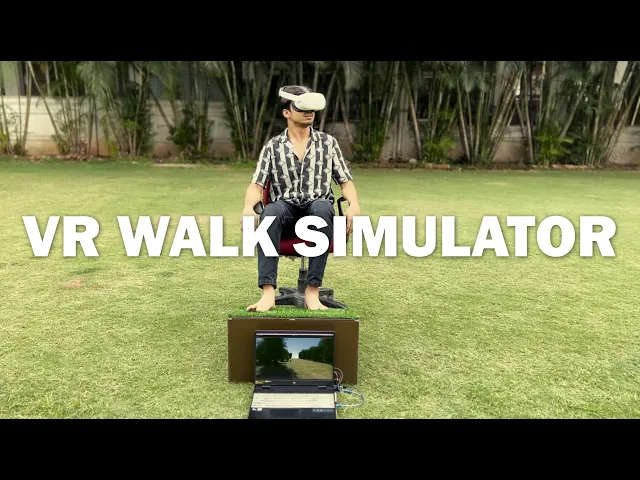
VR Walk Simulator is a tangible VR experience designed to recreate the sensation of walking for individuals who are unable to travel outdoors due to age, physical limitations, illness or restricted mobility.
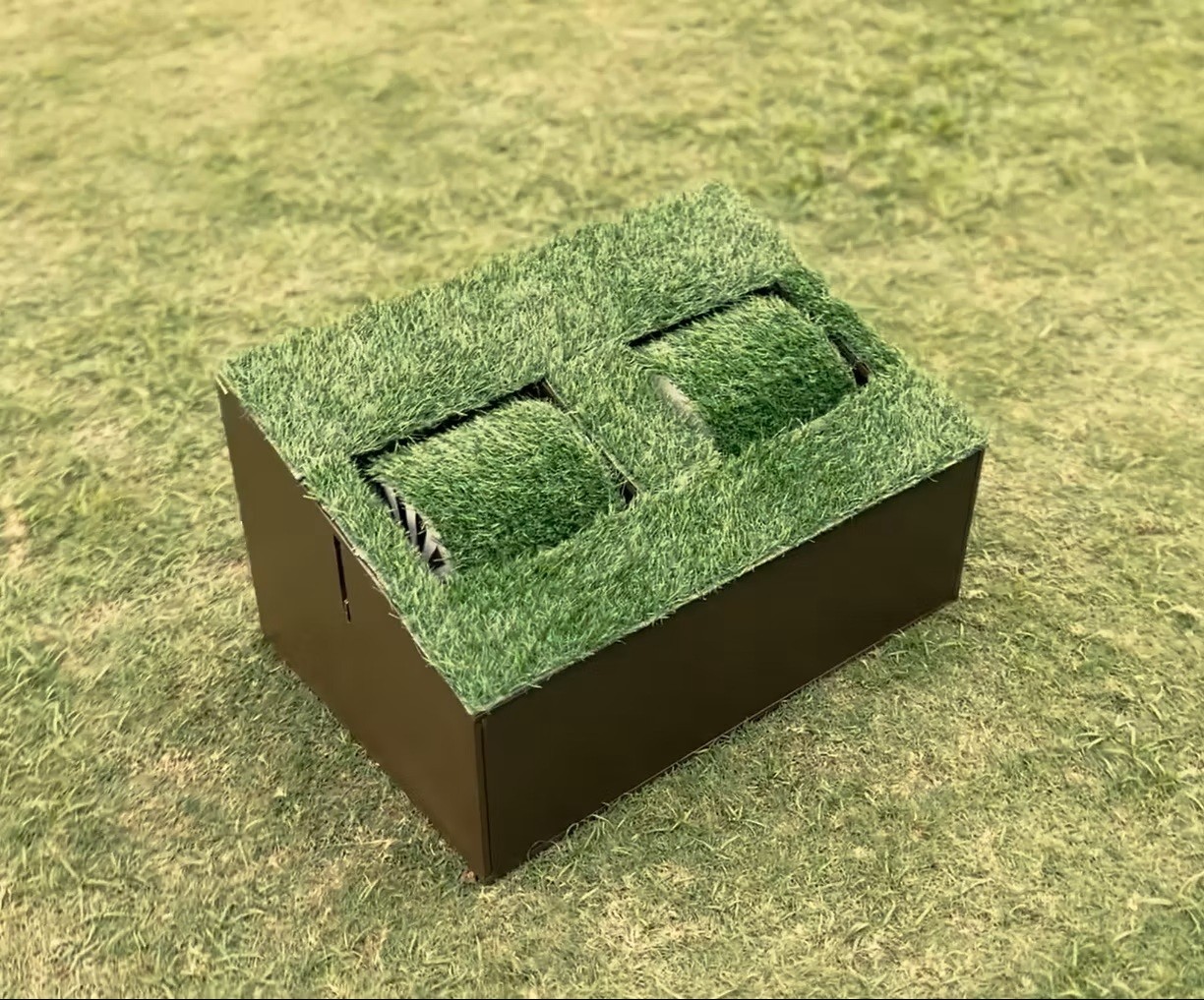
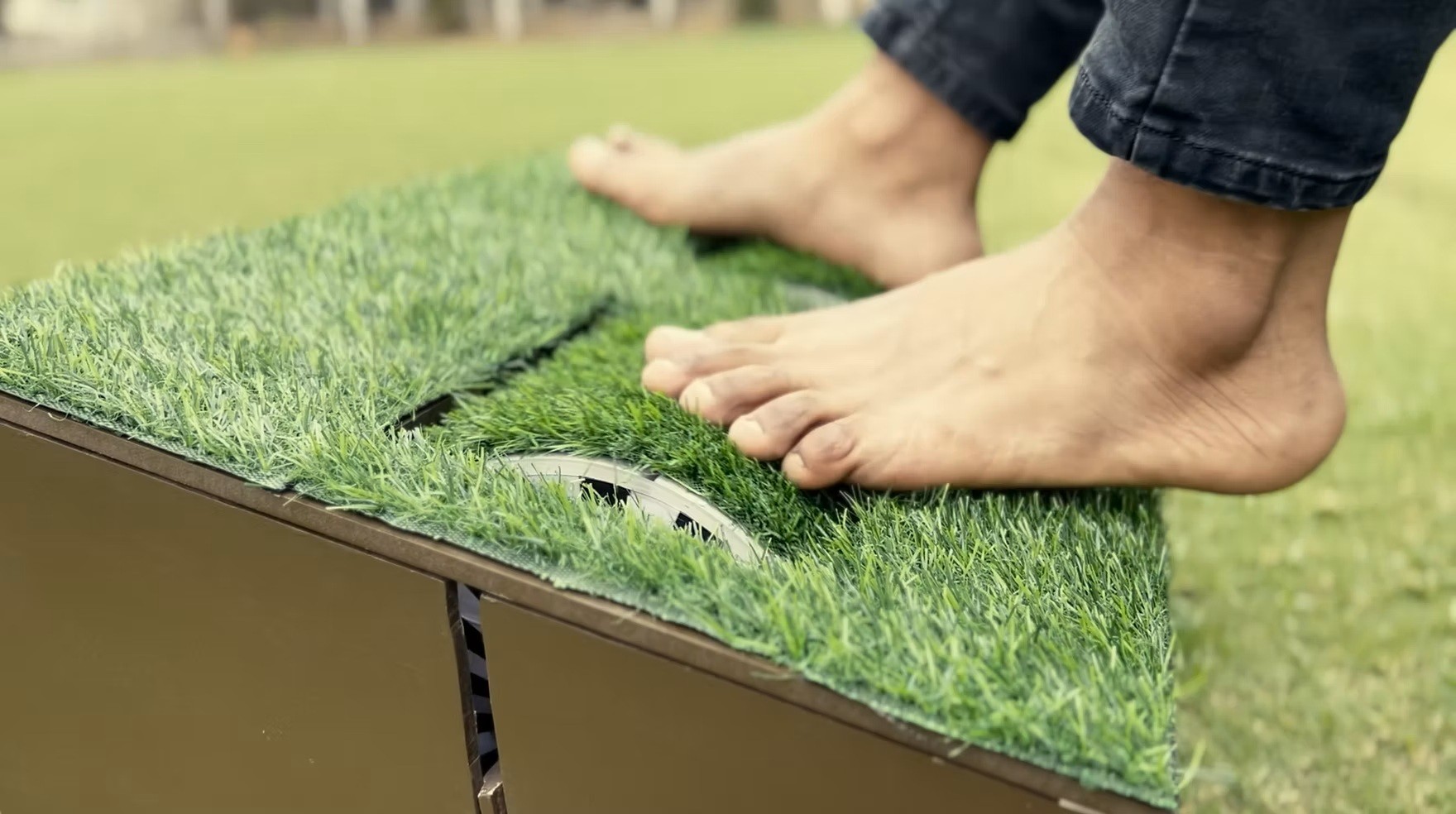
The project explores how physical interfaces can enhance immersion in virtual environments by translating real-world foot movements into virtual locomotion. Rather than relying solely on controllers, users engage with a custom-built walking device that provides a more natural and embodied way to navigate virtual spaces.
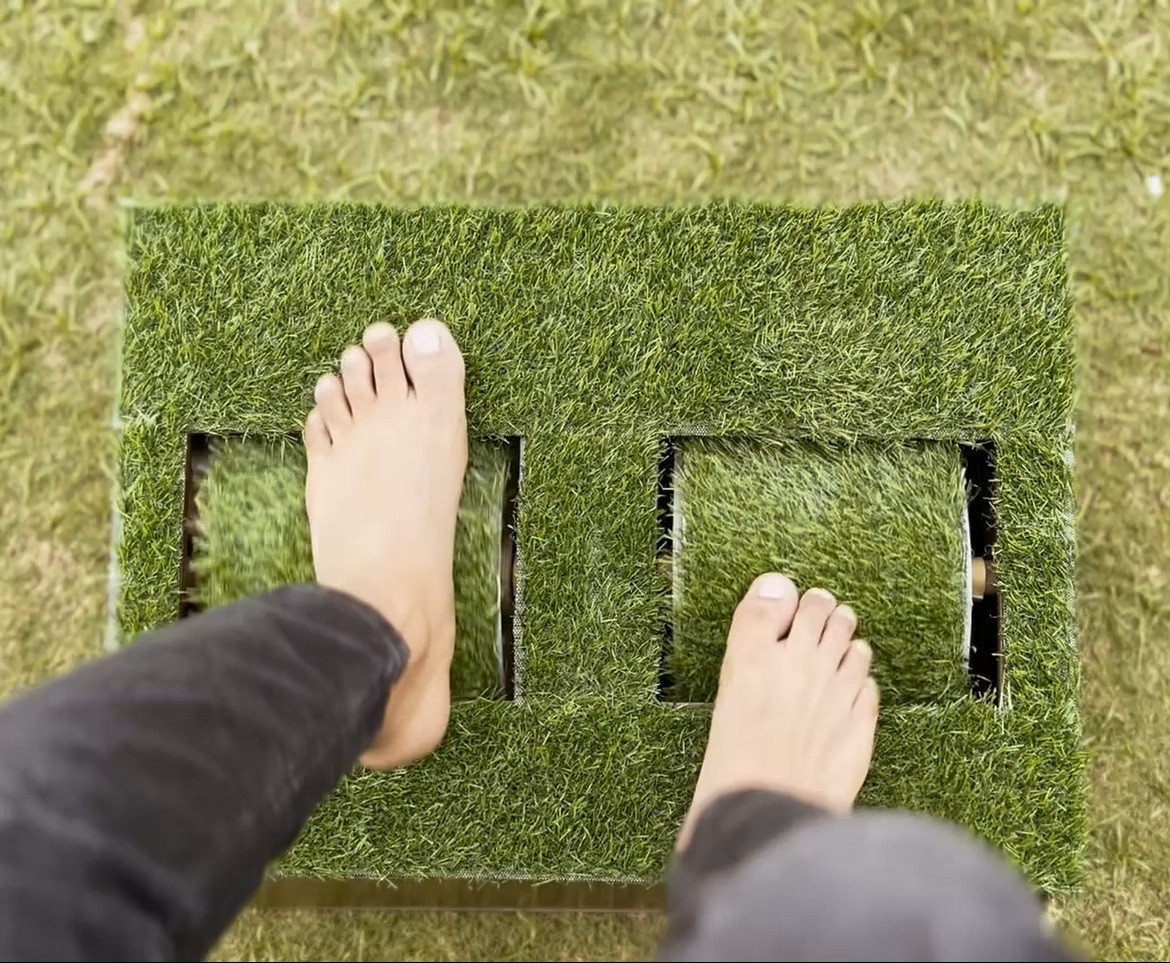
The goal was to create an accessible experience that helps users reconnect with the feeling of exploration, movement and outdoor environments through virtual reality.
Process
The project combined user-centered design, tangible computing, hardware prototyping, and VR development to create a physical interface that bridges real-world movement with virtual exploration.
Research & Inspiration
Researched VR locomotion systems, accessibility challenges and emerging concepts such as Disney's Holotile.
Concept Development
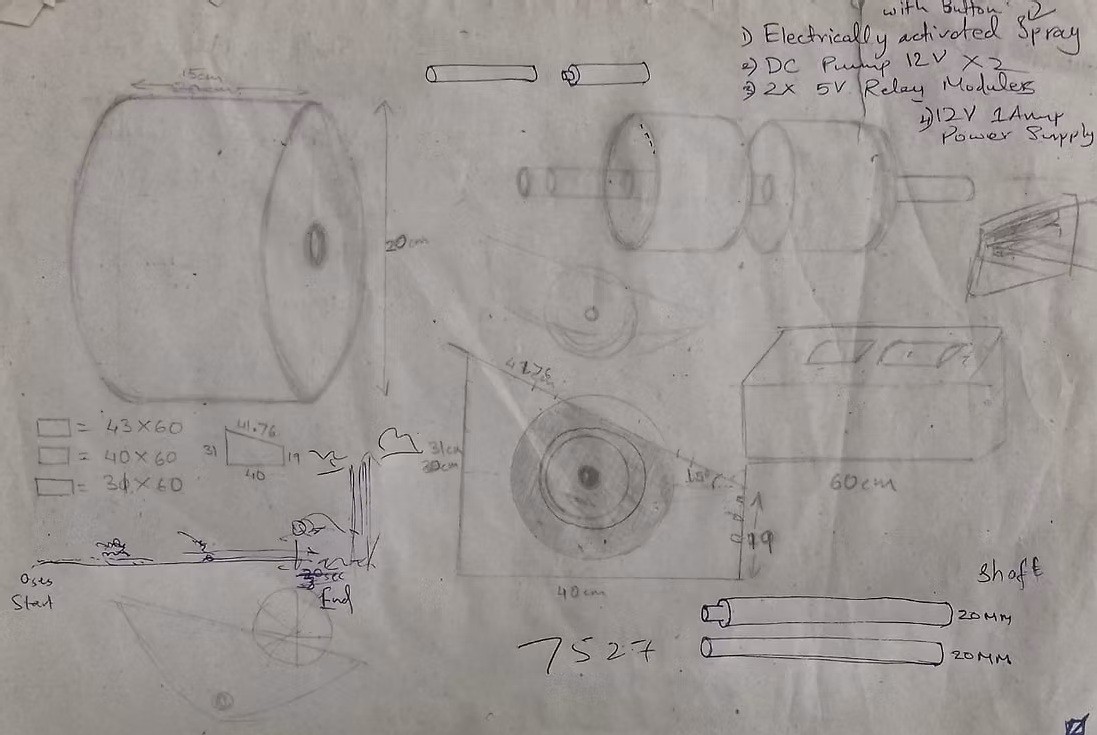
Explored tangible interaction methods that recreate walking through physical foot movements.
Prototyping
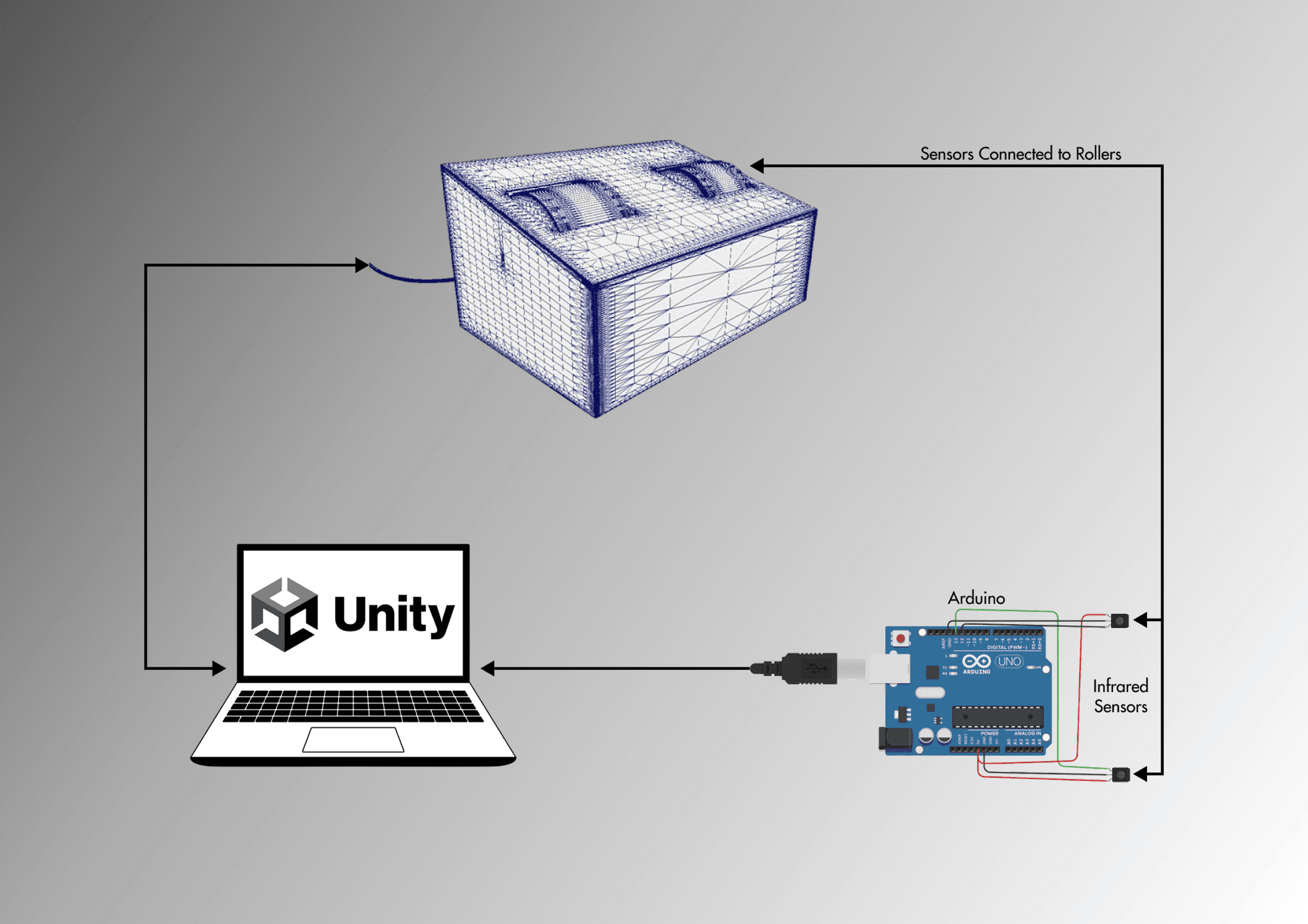
Built a sensor-driven device using Arduino and Unity to translate movement into VR locomotion.
Testing & Refinement
Iterated on responsiveness, comfort and immersion through repeated testing.
Solution
A tangible VR locomotion system that enables users to experience virtual exploration through natural foot movements, creating a stronger sense of presence and embodiment.

Insights
Physical movement significantly enhances the sense of presence in virtual environments.
Tangible interfaces can create more intuitive interactions than traditional controller-based navigation.
Accessibility in VR extends beyond software and can be addressed through thoughtful hardware design.
Even simple physical feedback can strengthen the connection between users and virtual spaces.
Embodied interaction can transform passive experiences into active exploration.