Witness the Evolution of Humankind in VR

How They Became Us

COMPANY

MIT-ID

ROLE

XR Designer

EXPERTISE

Virtual Reality (VR)

YEAR

2024

Project Description

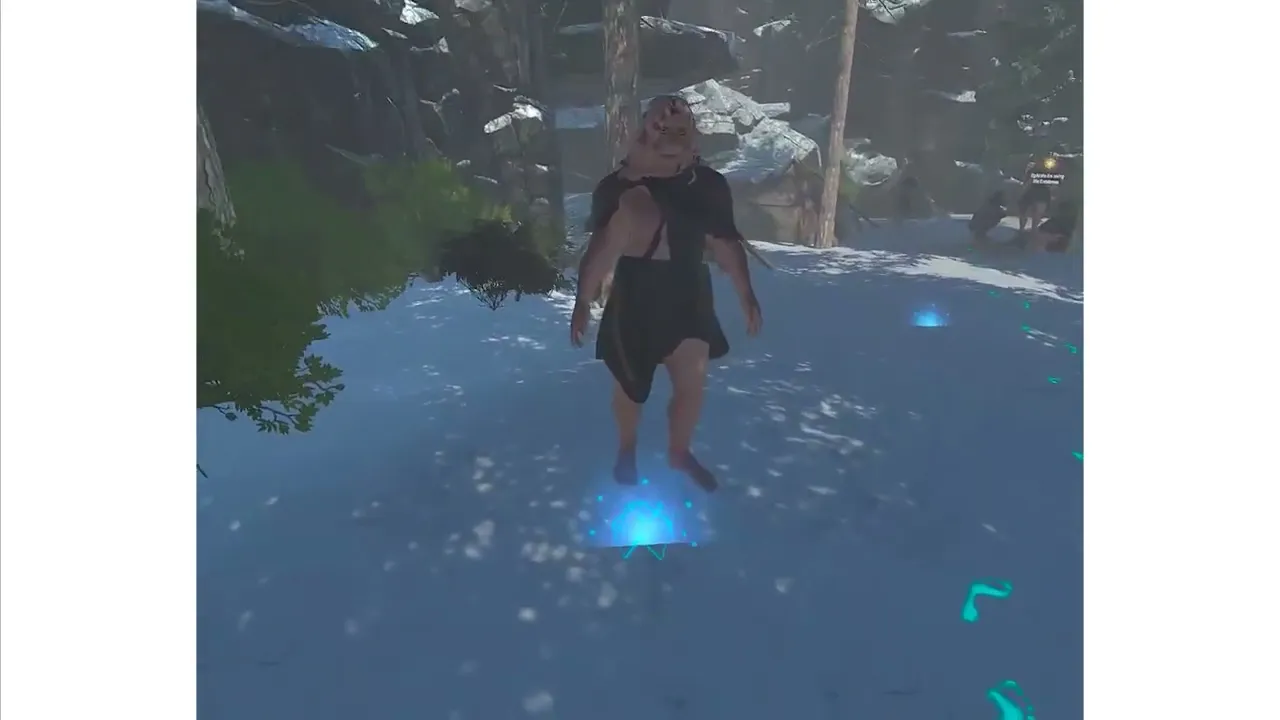
How They Became Us is an educational virtual reality experience that takes users through the journey of human evolution. Designed as an immersive VR storytelling experience, the project invites users to travel back in time and witness the lives, environments and survival of our ancestors.


Problem Statement

Traditional methods of teaching often fail to engage students or inspire a deep understanding of the subject. Standard textbook-based approaches can be passive and limit students' ability to connect with the material in a meaningful way.

How Might We…

Design an interactive, immersive solution that:

  • Enhances Student Engagement

  • Fosters Curiosity

  • Promotes Critical Thinking

Process

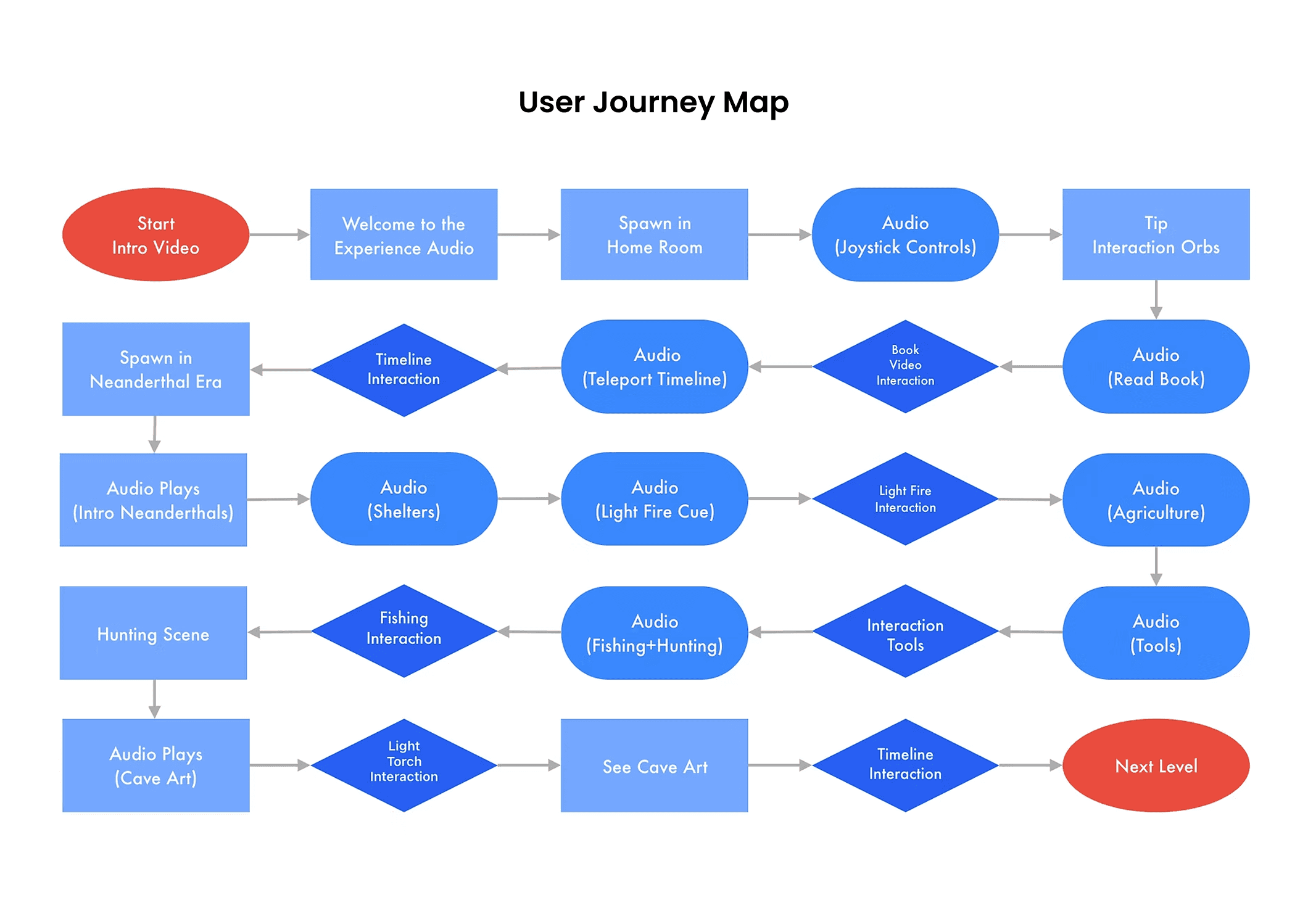
The project combined historical research, environment storytelling, interaction design and VR prototyping to create an educational experience grounded in both accuracy and immersion.

Research & Story Development

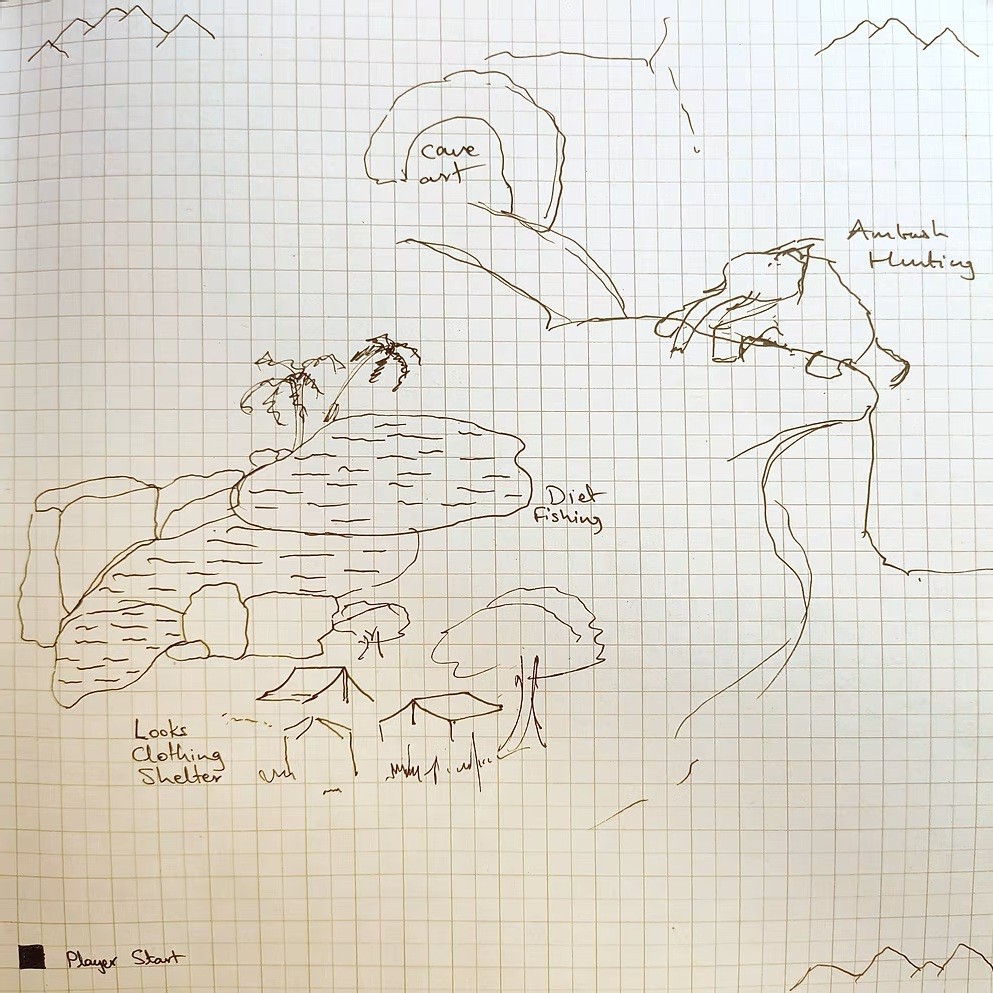
Experience Mapping
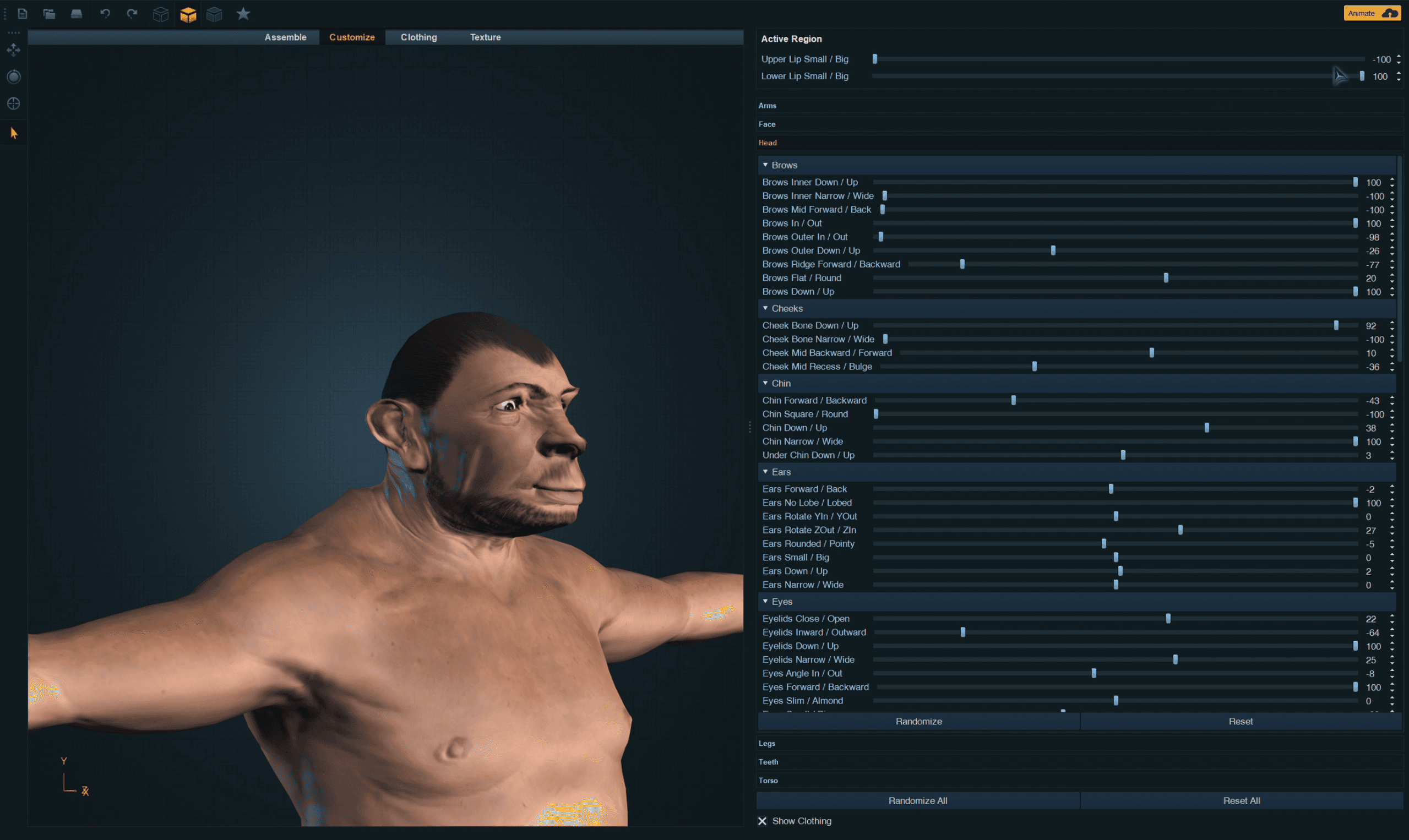
Character & Asset Development
Worldbuilding & Environment Design

Solution
1. The Story of Human Evolution

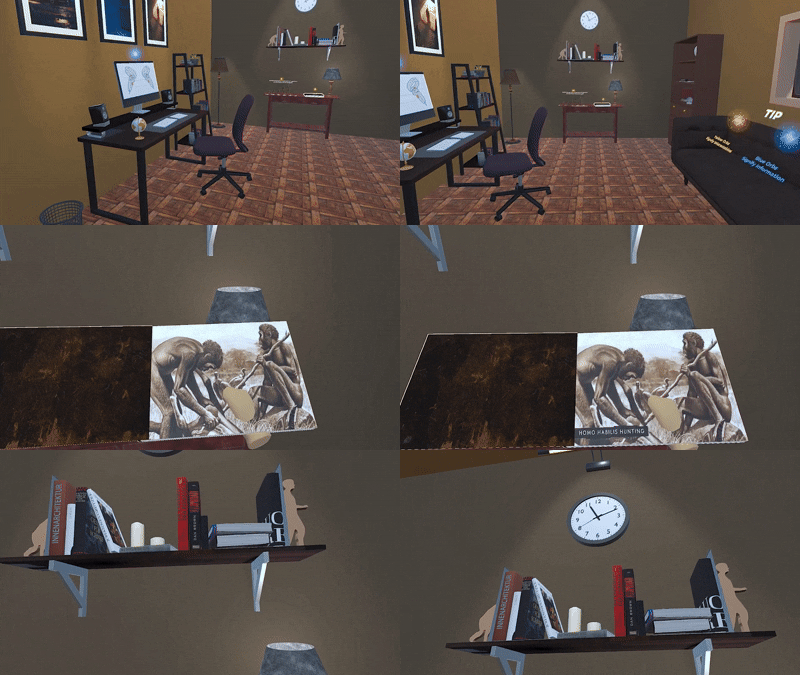
Users will spawn in a room, interact with objects and learn about The Story of Human Evolution from a short video in the book.

1. The Story of Human Evolution

Users will spawn in a room, interact with objects and learn about The Story of Human Evolution from a short video in the book.

2. Teleport to Different Eras

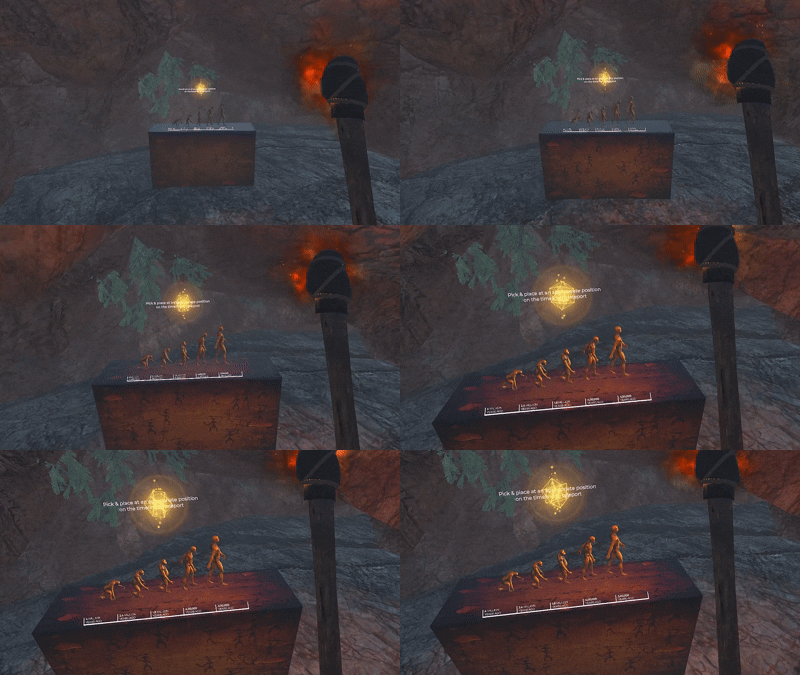
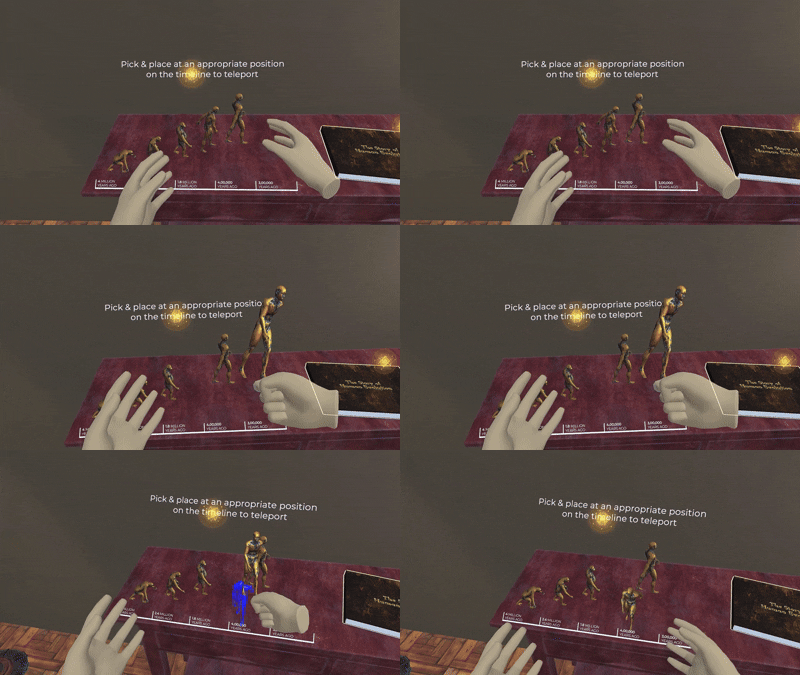
Based on the learnings from the book, users will be able to teleport to different times of the stone age era on placing the respective human sculpture at the correct place on the timeline.

2. Teleport to Different Eras

Based on the learnings from the book, users will be able to teleport to different times of the stone age era on placing the respective human sculpture at the correct place on the timeline.

3. Light Fire Using Flintstones

An interactive fire-making experience where users create fire using primitive techniques, recreating one of humanity’s most important discoveries for warmth, protection, and survival.

3. Light Fire Using Flintstones

An interactive fire-making experience where users create fire using primitive techniques, recreating one of humanity’s most important discoveries for warmth, protection, and survival.

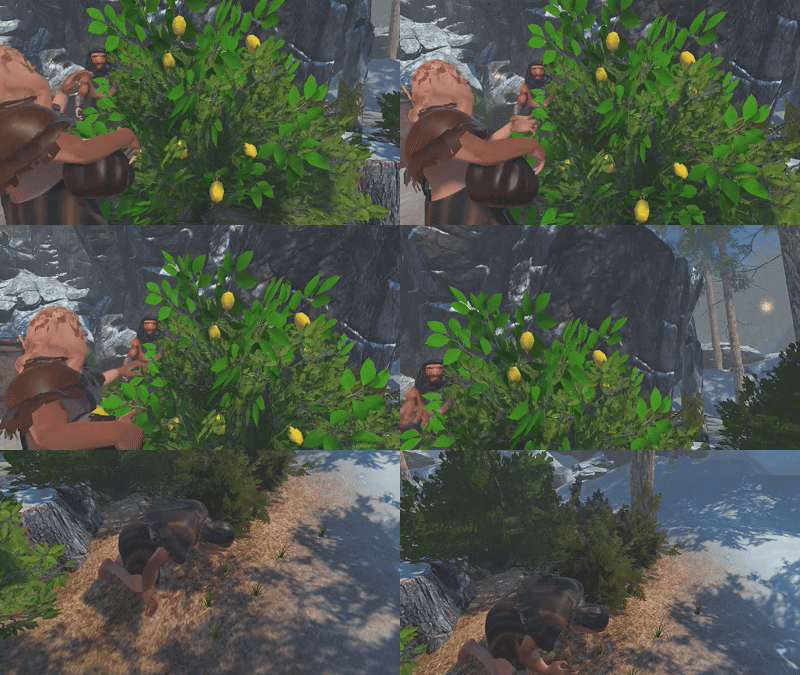
4. Witness Beginning of Agriculture

Users witness and take part in the beginning of agriculture.

4. Witness Beginning of Agriculture

Users witness and take part in the beginning of agriculture.

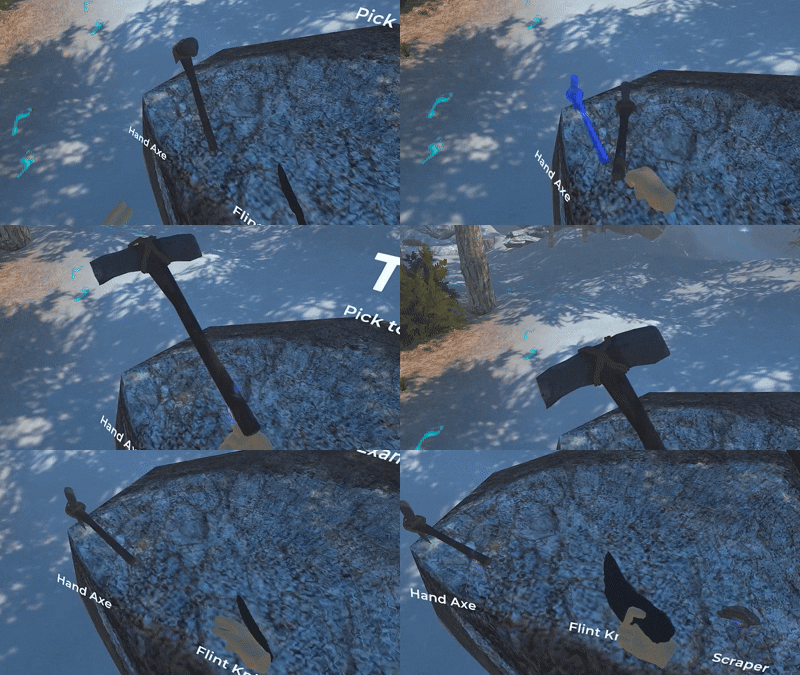
5. Use Neanderthal Tools

Users to handle and use the tools used by the Neanderthals.

5. Use Neanderthal Tools

Users to handle and use the tools used by the Neanderthals.

6. Fishing like the Neanderthals

An interactive spear-fishing experience where users catch fish in the river, recreating a key food-gathering activity from early human life.

6. Fishing like the Neanderthals

An interactive spear-fishing experience where users catch fish in the river, recreating a key food-gathering activity from early human life.

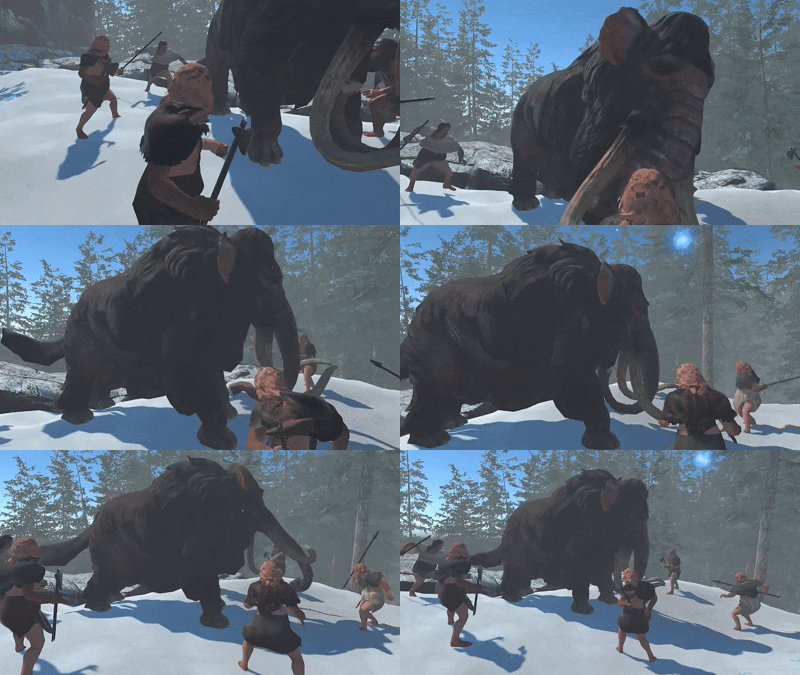
7. Witness Strategic Hunting

Witness how Neanderthals hunted large mammals using strategies like cornering the animal at the cliff.

7. Witness Strategic Hunting

Witness how Neanderthals hunted large mammals using strategies like cornering the animal at the cliff.

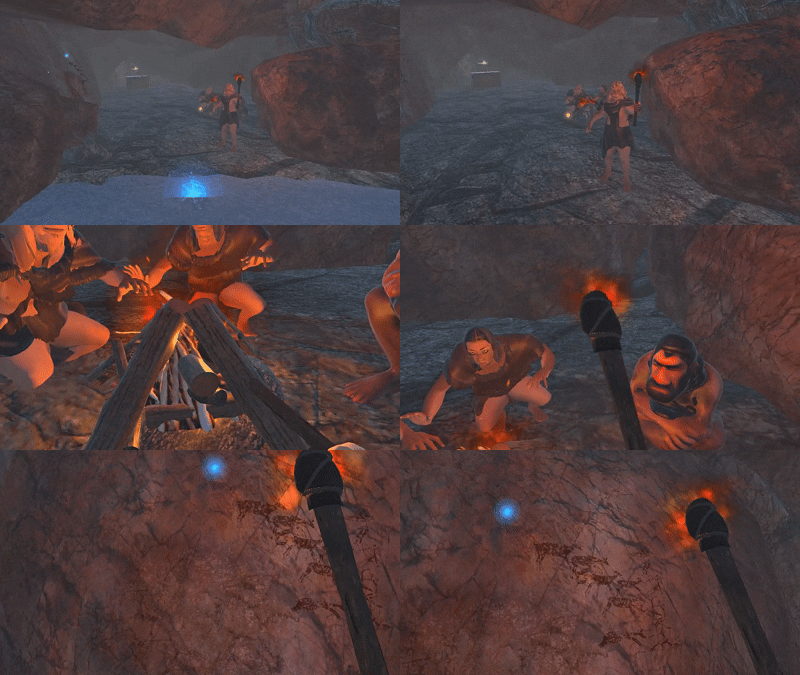
8. The Beginning of Cave Art

Enter the cave. Light a torch. Witness the very first works of art created by humans.

8. The Beginning of Cave Art

Enter the cave. Light a torch. Witness the very first works of art created by humans.

9. Teleport to Another Era

Level ends and the user can teleport to another era using the Timeline.

9. Teleport to Another Era

Level ends and the user can teleport to another era using the Timeline.


Educational Through Exploration

Instead of passive learning, users understand evolution by moving through spaces, observing behaviors, and discovering contextual information inside the world.

Worldbuilding for Presence

Detailed prehistoric environments were designed to evoke atmosphere, scale and realism, helping users feel transported into another era.

Spatial Interaction Design

Interactions were designed to feel natural within VR, encouraging curiosity and engagement while maintaining accessibility for first-time users.

Learning Through Emotion & Memory

The experience leverages immersion, scale and storytelling to create stronger emotional connection and improve knowledge retention compared to traditional learning formats.
Insights

  • Learning becomes more memorable when users actively experience information rather than consume it.


  • Environmental storytelling can communicate complex topics without relying on lengthy explanations.


  • Presence and exploration create stronger emotional engagement with educational content.